
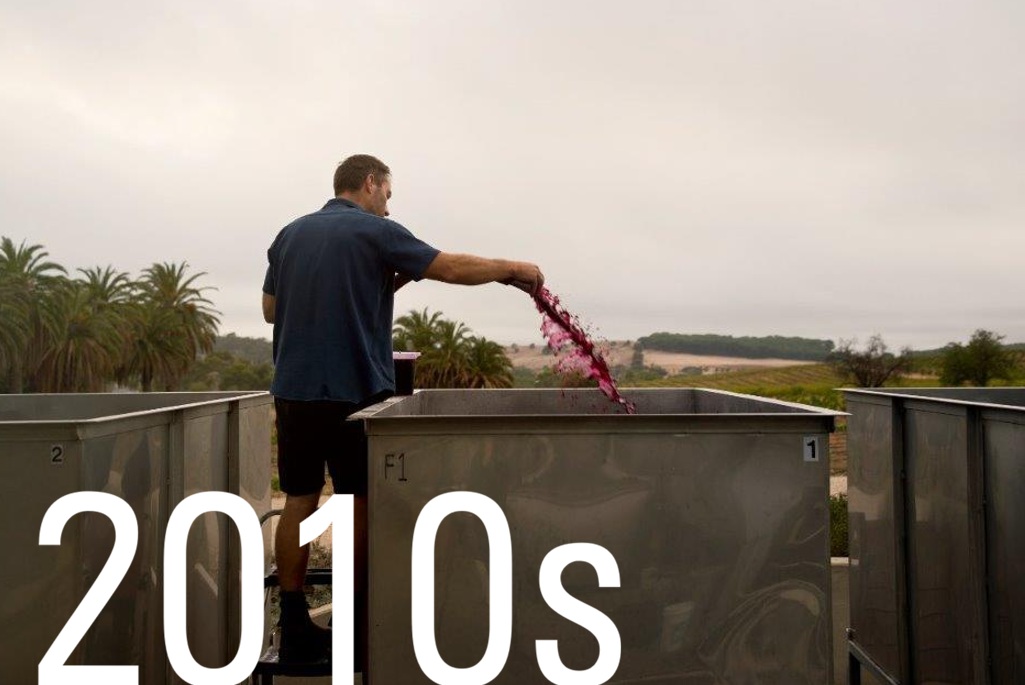
2010: In 2009 we had conditions that suited our style of winemaking perfectly and it was always going to be a difficult vintage to follow. However 2010 delivered in spades with the Shiraz actually producing what we consider to be higher quality wine than that of 2009. The 2009 wines are bright, fresh and ‘red’ while the 2010 wines tend to be dark, earthy and ‘purple’. The main difference between the two vintages is that the pH’s were much higher in 2010 than in 2009. These two vintages display one of the many reasons why we love wine; two vintages of amazing quality, from the same vineyards and the same grape variety but producing wines with completely different profiles.
2011: Was one of the toughest vintages we have encountered at Izway, with continual rain both during the growing season and during harvest affecting the quality of fruit in all of our Vineyards. A La Nina weather pattern dumped unseasonal rainfall on much of north-eastern and southern Australia from November to April creating an extreme threat of fungal disease. Most vineyards were infected to varying degrees by downy mildew and in some cases oidium (powdery mildew) at bud burst and veraison. A comprehensive spray program limited grape damage and in late January yields and quality appeared excellent due to the extraordinary sub soil moisture. However, further rain in February, March and April created intense humidity, delaying ripening and creating perfect conditions for botrytis in both the Barossa Valley and Eden Valley.
2012: After a period of difficult harvests with some dispersed brilliance, it was a welcome relief to experience 2012. This was probably the first vintage since the inception of Izway in 2003 where a weather event had not significantly influenced the quality of the fruit in some way. The rain fell at the right times, there was a short heat spike at the end of January, crop levels were low, and the final ripening period from February to April was cool and dry. If you could script the perfect vintage conditions, this would be close.
2013: The 2013 vintage in the Barossa will be remembered as one of the driest and quickest harvests in memory and was the only season that we completely finished picking in March. Spring rainfall was well below average, leading to variable vine growth across the region. The variable weather continued through fruit set and flowering, with lightning storms and frost featuring. A heat spell of temperatures over 33° from 12-18 February caused many vineyards to lose more of their potential yield, and baumés jumped dramatically, leading to early picking in most vineyards.
2014: Decent winter and early spring rains filled the soils and set the vines up well for the season. A windy spring meant that some varieties set unevenly, and then in November with vines full-growth and with flowering underway, parts of the Barossa and Eden Valleys experienced unseasonal frost events resulting in almost complete loss of fruit in some vineyards. Adding to the list of challenges, between 100 and 150 mm of rain fell on Valentine’s Day in just over 24 hours. Fortunately, cool, dry weather followed and we were able to patiently wait for the water to clear from the fruit, harvesting our first Shiraz over a month later.
2015: Things started well for 2015 with above average early winter rains that filled the soils and dams. August and Spring were drier and warmer, meaning the vines got away to a good, healthy start. Unfortunately, this dry weather meant that when the nighttime temperatures dipped there were again some mid to late spring frosts. A cool start to summer with periodic rain meant that ripening conditions were perfect, and we had our earliest start to harvest on the 12th of February. A hot February fed into a cool March and the majority of Shiraz was in the winery by the middle of March.
2016: Although the 2016 Vintage will be considered one of the great harvests of the last 20 years, the growing conditions were anything but conventional. The total rainfall for the year was half the average but the timing was perfect. The summer was warm but not hot and there were no extended heat waves. These conditions resulted in exceptional fruit created in shrewd and almost sagacious weather, where the season seemed dialled into the specifics of each vineyard.
2017: Was one of my favourite seasons to make wine from. We had bountiful Winter and Spring rain and a wet December, which meant that while crops were higher than average, canopy growth was healthy and in balance with the fruit load. Some short warm spells in February kept the ripening process on track, and an Indian Summer followed with a mild March and April. The feature while we harvested was very cold nights, which meant the fruit retained great natural acidity and our ferments were cool, slow and extended. This fed into a freshness in style we probably hadn’t seen before, and something that we have been dedicating more time to since.
2018: The 2018 Vintage once again proved that timing is everything. Following a wet growing season in 2017, we had minimal autumn and winter rain, setting us up for a potentially difficult year. However, spring provided us with bountiful water and the season was set from there. We experienced another dry and hot summer, which restricted our yields but amplified the quality of the harvest. For Izway, a late March start resulted in cool picking conditions, lower alcohols and incredible purity and energy in our wine.
2019: During the 2018/2019 growing season, the Barossa was affected by frost, strong wind, heat and parched soils, yet once the fruit started to arrive in the winery all these difficulties were forgotten as it was obvious that we were in for yet another great Vintage. The adverse weather affected yields in all vineyards, and a hot December/January drove us towards an early vintage. All the Bruce vineyards were harvested by the 12th of March. Throughout the season, the flavour and phenological ripening kept up with the sugar development and despite the challenges of the dry season, most vineyards ripened what grapes they had evenly and completely, once again proving the tenacity of Shiraz.